Why Tracking Solve Times Makes You Faster at Speedcubing
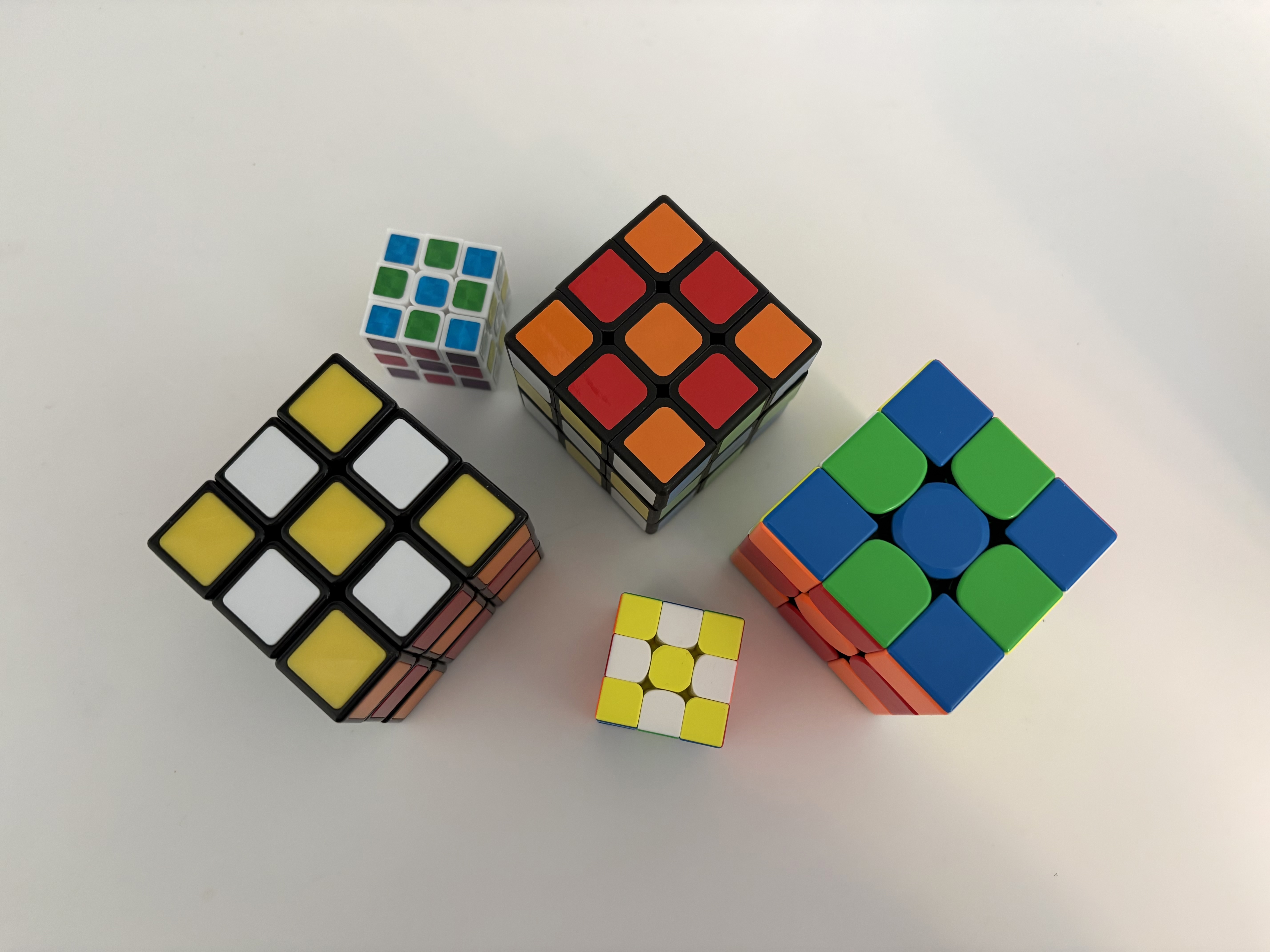
Many cubers practice regularly but improve slowly because they do not track what happens in each session. Timing and logging create feedback, and feedback is what turns effort into measurable progress.
The downside of “just solving”
If you only do untimed solves, you miss important signals:
- You cannot tell whether a “good day” was luck or real improvement.
- You cannot separate execution issues from recognition issues.
- You cannot detect plateaus early.
Without logs, practice feels active but becomes hard to optimize.
Three benefits of tracking solve times
1) You see real progress
Averages such as Ao5 and Ao12 smooth out outliers and show your actual level.
2) You identify specific weaknesses
By reviewing solve history, you can spot patterns such as unstable starts, frequent pauses, or penalty-heavy sessions.
3) You make better training decisions
Data helps you choose what to practice next instead of guessing.
What to track (without overcomplicating)
Start with a minimal set:
- Single time
Ao5Ao12- Penalties (
+2,DNF) - Session notes (short, optional)
You do not need advanced analytics to improve. Consistent basic logging is enough for most cubers.
How to review your data each week
A simple weekly review is effective:
- Check your best and worst sessions.
- Compare your weekly Ao12 trend.
- Note one main bottleneck (turning speed, lookahead, starts, or accuracy).
- Set one focus for next week.
This keeps training focused while avoiding analysis overload.
Use Speed Cube Timer as your automatic training log
Speed Cube Timer records solves and averages automatically, so tracking does not add friction to your practice.
Use it as your baseline workflow:
- Scramble
- Solve
- Record
- Review
- Adjust