TPS in Speedcubing: What It Means and How to Improve It Safely
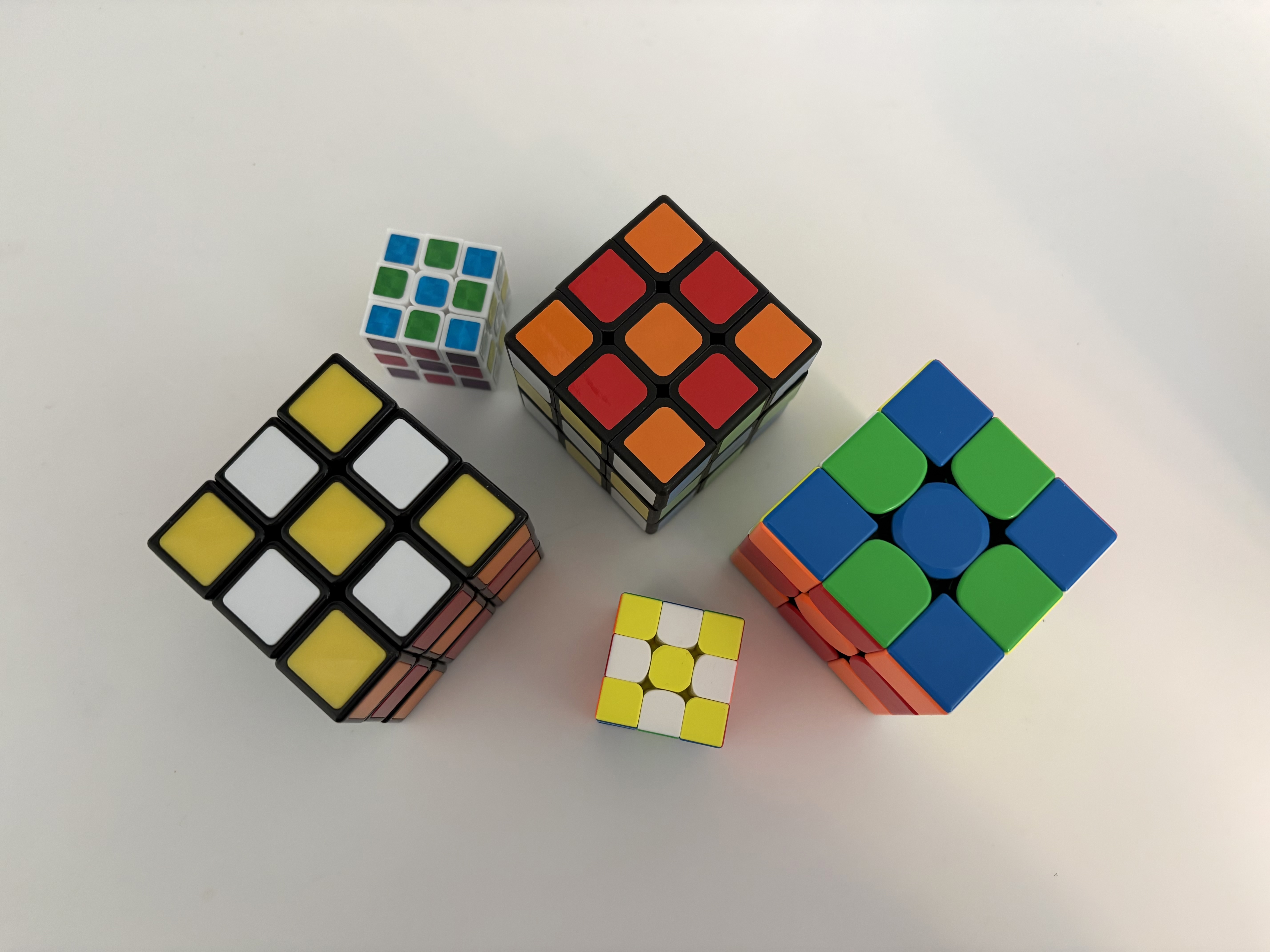
TPS is useful, but many cubers use it the wrong way.
When TPS becomes the only target, solves often get faster in short bursts and less stable in averages. A better approach is to treat TPS as one signal inside a bigger performance system.
What TPS means
TPS stands for turns per second.
Simple interpretation:
- higher TPS means you are executing moves faster
- lower TPS means you are executing moves slower
But TPS alone does not tell you if solves are efficient.
Two solves can have similar final times with very different TPS because pause length, recognition speed, and move count all matter.
TPS and solve time relationship
Solve time is roughly shaped by three factors:
- move count
- turning speed (TPS)
- pause/decision time
That means faster hands do not guarantee faster solves.
Typical pattern:
- TPS goes up
- pauses also go up
- final average barely changes
This is common when execution speed outruns recognition speed.
If your goal is better Ao12, you need balanced gains, not isolated gains.
Productive vs risky TPS practice
Productive TPS work
- short high-focus blocks
- emphasis on clean turns
- immediate reset when lockups increase
Risky TPS work
- long uncontrolled spam sessions
- ignoring rising
+2/DNF - forcing speed while recognition is unstable
A useful rule: if error rate rises faster than time drops, your current TPS push is too aggressive.
Why beginners should not chase TPS too early
In early stages, the biggest gains usually come from:
- smoother solve flow
- fewer pauses
- cleaner finishes
If you chase TPS too soon, you often build rushed habits that later need to be unlearned.
A safer priority order:
- consistency
- recognition
- controlled speed increases
TPS becomes more meaningful once your baseline execution is stable.
Tracking TPS trends with your records
Treat TPS as a trend, not a scoreboard.
Weekly review questions:
- Is TPS rising while
Ao12also improves? - Is TPS rising but penalties also rising?
- Are faster attempts repeatable, or only occasional spikes?
Good trend pattern:
- modest TPS increase
- stable or lower penalty rate
- gradual
Ao5andAo12improvement
If your solves still pause often, combine this with Lookahead Practice for Faster Solves.