3x3 Speedcubing Methods Overview: Beginner to Advanced
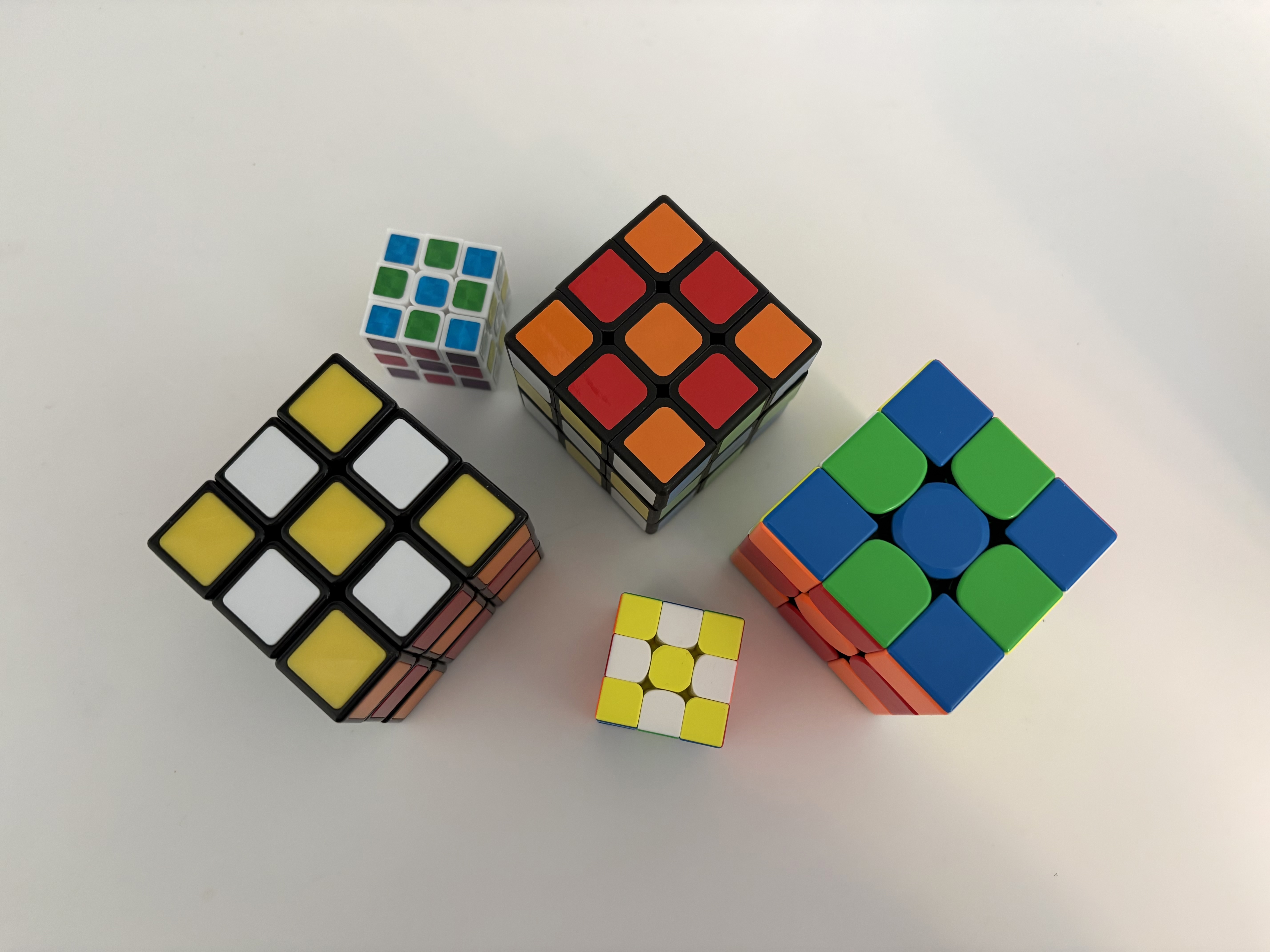
Choosing a method feels high-stakes, but it does not need to be dramatic.
This article is a map, not a full tutorial. The goal is to help you choose a practical direction based on your current level and learning style.
Bottom line first: time your current level
Before changing method, measure your baseline.
Simple baseline setup:
- Run a clean 12-solve set.
- Log penalties consistently.
- Record current
Ao12and common error type.
Without baseline data, it is hard to tell whether a method change actually helped.
Criteria for choosing a method
A method is a system tradeoff, not a ranking list.
Three criteria matter most:
- Learning volume: how much you must memorize and internalize
- Growth ceiling: how far the method can scale with training
- Style fit: whether the method matches how you think and execute
If a method looks good on paper but fights your natural learning style, progress usually slows.
Method comparison at a glance
| Method | Typical Level | Learning Cost | Core Characteristic | Best Fit |
|---|---|---|---|---|
| Beginner (LBL) | Beginner | Low | Easiest path to complete solves | First milestones and confidence |
| CFOP | Intermediate to Advanced | High | Most common competitive framework with strong resources | Structured learners who like standardized progress |
| Roux | Intermediate to Advanced | Medium | Blockbuilding plus M-slice heavy style | Intuitive solvers and low-rotation preference |
| ZZ | Intermediate to Advanced | High | Edge-orientation-first planning style | Solvers who enjoy planning and rotation control |
| Petrus | Intermediate | Medium | Small-block expansion with EO concepts | Analytical builders who like construction logic |
| FMC-oriented approach | Advanced (event-specific) | High | Move-count optimization over raw speed | Puzzle-strategy focused training |
No method guarantees fast times by itself. Quality of execution and consistency still dominate outcomes.
Best first choice for beginners
For most beginners:
- keep beginner method until solves are stable
- build timing and logging habits first
- switch only when your current method becomes the clear bottleneck
A practical switching trigger:
- you can finish consistently
- you understand your recurring limitations
- you are ready to train new patterns for weeks, not days
What to revisit when progress stalls
If progress slows after switching methods, check these before switching again:
- did recognition improve, or only complexity increase?
- did penalty frequency change?
- are session goals method-specific and clear?
Many “method problems” are actually session-design problems.
FAQ: Do you need CFOP to be fast?
No. CFOP is common and well-supported, but it is not the only scalable path.
A better question is:
- does your current method support your next skill objective?
If yes, keep building depth before jumping systems.
Build method-focused practice in Speed Cube Timer
Use session labels to keep method transitions measurable.
Example labels:
Method BaselineMethod DrillMethod Transfer
Then review trend by block, not by isolated singles.
If you are unsure whether to switch now or later, read Beginner Goals: 60 to 30 Seconds first and decide from your baseline.