15-Second Inspection Tips for Speedcubing: Better Starts Under Pressure
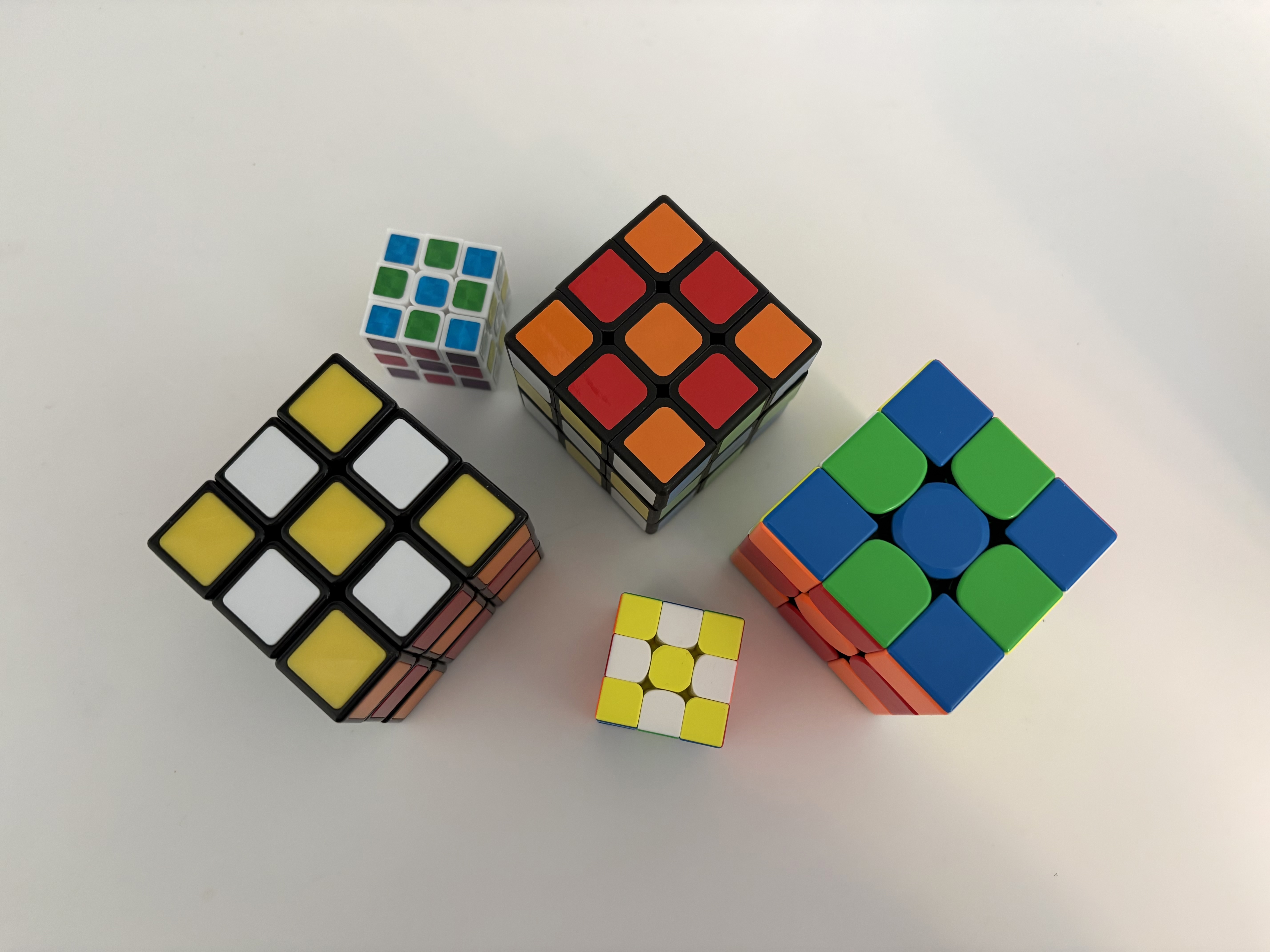
The first seconds of a solve often decide whether the whole attempt feels smooth or rushed.
Good inspection is not about finding a perfect plan every time. It is about starting with enough clarity to avoid panic in the first phase of the solve.
As of the WCA Regulations version dated January 1, 2025, competitors are given strictly less than 15 seconds to inspect, with a +2 if the solve starts at 15.00 and a DNF at 17.00. In practice, that means inspection must be simple, repeatable, and fast.
Inspection basics
Think of inspection as a decision window, not a mini-solve.
Your minimum objectives are:
- identify a clean starting orientation
- choose a safe first plan
- commit before overthinking starts
Two mindset rules help:
- prefer a clear 80% plan over a perfect 20% plan
- optimize for a stable start, not a miracle start
If you leave inspection with one solid route and one fallback, you are already in a strong position.
Scan order during the 15 seconds
A fixed scan order prevents mental overload.
Beginner-intermediate friendly sequence:
- Confirm cube orientation you will use at start.
- Identify the most obvious opening pieces/cases.
- Pick first action and likely second action.
- Lock a fallback start if the first move feels wrong.
Why this works:
- you avoid scanning everything equally
- you reduce indecision in the first 3-5 seconds of the solve
- you preserve attention for execution quality
A common mistake is spending too long searching for “best possible” first pair while forgetting to commit.
Beginner-safe opening plans
Under pressure, simple plans outperform ambitious plans.
Use this planning ladder:
- Primary plan: first step you are confident in
- Fallback plan: low-risk alternative if recognition fails immediately
Good opening plans have three traits:
- low memory load
- low rotation demand
- easy recovery if the first idea breaks
If your plan needs too many conditional branches, it is probably too heavy for competition pace.
How to train inspection at home
Inspection skill improves quickly when it is isolated on purpose.
Try this 10-minute drill block:
- 5 attempts: inspect and verbally state only first 1-2 actions
- 5 attempts: inspect, solve at controlled speed, grade opening quality
- 5 attempts: same process but with normal pace
Score each attempt with one quick label:
Clear startLate decisionPanic start
Your goal is to increase Clear start frequency, not to force instant PBs.
Translate inspection practice into app sessions
Use your normal timer sessions to reinforce inspection habits.
Practical session structure:
- block A: 10 solves, opening clarity focus
- block B: 10 solves, normal pace
- block C: review starts and note one recurring issue
What to log after each block:
- number of rushed starts
- number of solves where your first plan changed mid-start
- whether penalties increased when inspection felt rushed
This gives you a closed loop: inspect, execute, review, adjust.
If penalties are still confusing during pressure, pair this with WCA Rules for Beginners.